How to Order Jirō-Style Ramen in Japan: Volume, Garlic, and Customization
NOTE: This article explains the most common way to order Jirō-style and Jirō-kei ramen. Rules may vary slightly depending on the shop.
Advertisement
How to Order Jirō-Style Ramen in Japan
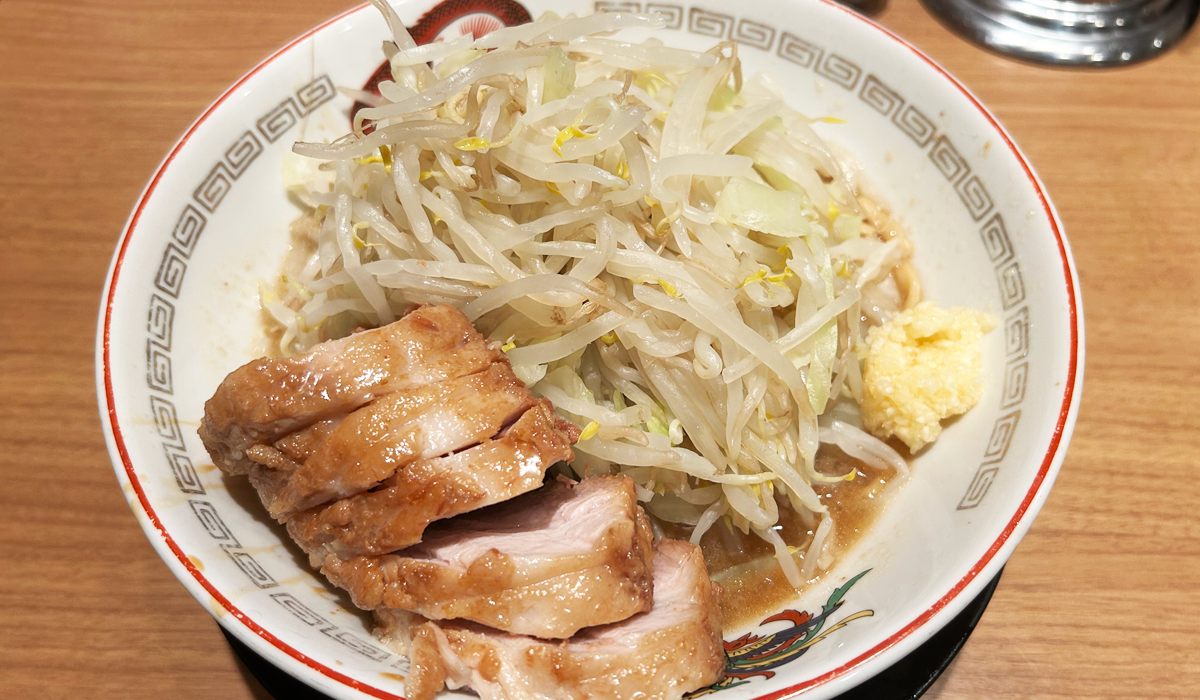
Jirō-style ramen
What is Jirō-style ramen?
Jirō-style ramen was born in Tokyo with the restaurant Ramen Jirō (ラーメン二郎, Ramen Jirō), famous for its massive portions and extremely powerful flavor.
It is characterized by:
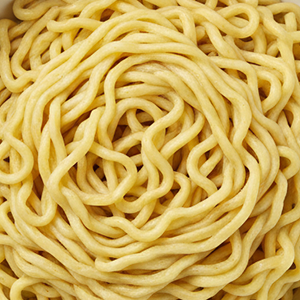

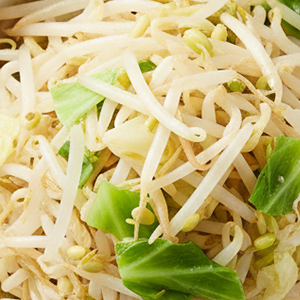
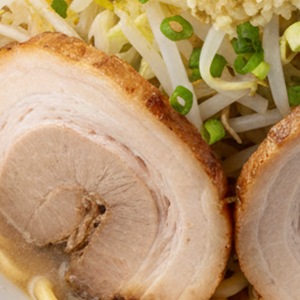
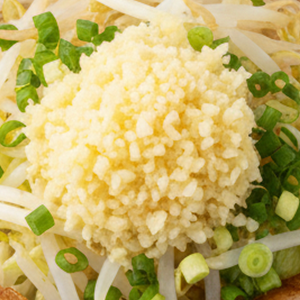
This is not a refined or delicate ramen: it is straightforward, intense, and designed to fill you up.
What does “Jirō-kei” (二郎系) mean?
The term Jirō-kei does not refer to the original restaurant, but to shops inspired by the Jirō style.
In other words:
- Ramen Jirō → the original shop
- Jirō-kei → restaurants that imitate that style
Jirō-kei shops reproduce the volume, flavor, and ordering style, but rules, sizes, and intensity may vary.
Today, most people enjoy this type of ramen at Jirō-kei shops rather than the original Jirō locations.
Before ordering: buying your ticket
As in many Japanese ramen shops, you first purchase a meal ticket (食券, shokken) from a vending machine.
- At Jirō / Jirō-kei, you do not customize when buying the ticket; options are asked right before serving.
- If you want fewer noodles (麺少なめ, men sukuname), you must say it when you sit down or hand over the ticket, not when they ask about garlic.
- The noodles are weighed before boiling, so saying it later is usually too late.
- Shō (小) is regular–large; Dai (大) is extra-large and not recommended your first time.
The options are asked right before the ramen is served.
The key moment: when the staff calls you
When your ramen is almost ready, you’ll hear something like:
This is the exact moment to answer and customize your bowl.
Basic options in Jirō / Jirō-kei ramen
Customization / トッピング(Toppingu)
Meaning in English
What should you order the first time?
The safest choice is:
This way, you can try the ramen without excessive garlic or overwhelming volume.
Common example responses
(Order at the start)
(No extra toppings)
Important warnings
- Portions are huge: ordering less is totally fine
- Avoid “Mashi” or “Mashimashi” your first time
- There is an unspoken rule of trying not to leave food
- The garlic is raw and strong
- The atmosphere is usually quiet and fast-paced
Is it for everyone?
Jirō / Jirō-kei ramen is not something to eat every day.
But for those who enjoy bold flavors and big portions,
it is a unique experience within Japanese ramen culture.
A small courtesy gesture in Japanese ramen shops
For example, if there is a table cloth or wiping rag (台拭き, daifuki),
quickly wiping the counter before leaving your dishes
is considered a gesture of
consideration toward the staff and the next customer.
It’s not mandatory and no one will demand it, but small gestures show consideration for others.

Please note that some ramen shops do not allow photography.
If you don’t see clear signs, the safest option is to
watch what other customers do
or ask the staff before taking out your camera.
Not rushing excessively, finishing as much as you reasonably can, and leaving the space tidy is enough to make a good impression, even if you don’t speak Japanese.
Conclusion
Understanding what Jirō-kei is and when to request each option makes everything much easier.
Start with something moderate and adjust on your next visit.
If you feel unsure, try a Jirō-kei shop first; if you want the original challenge, go to Ramen Jirō.
The first time I went to Ramen Jirō I was a bit nervous, but it was a unique experience.
You decide!
Share this article
Advertisement