Cup Ramen in Japan: types, how to prepare it, and tips
NOTE: This guide is intended for people who live in or travel to Japan and want to better understand Japanese cup ramen. It’s based on personal experience and on common products available in supermarkets and convenience stores.
Advertisement
Cup Ramen in Japan: types, how to prepare it, and tips
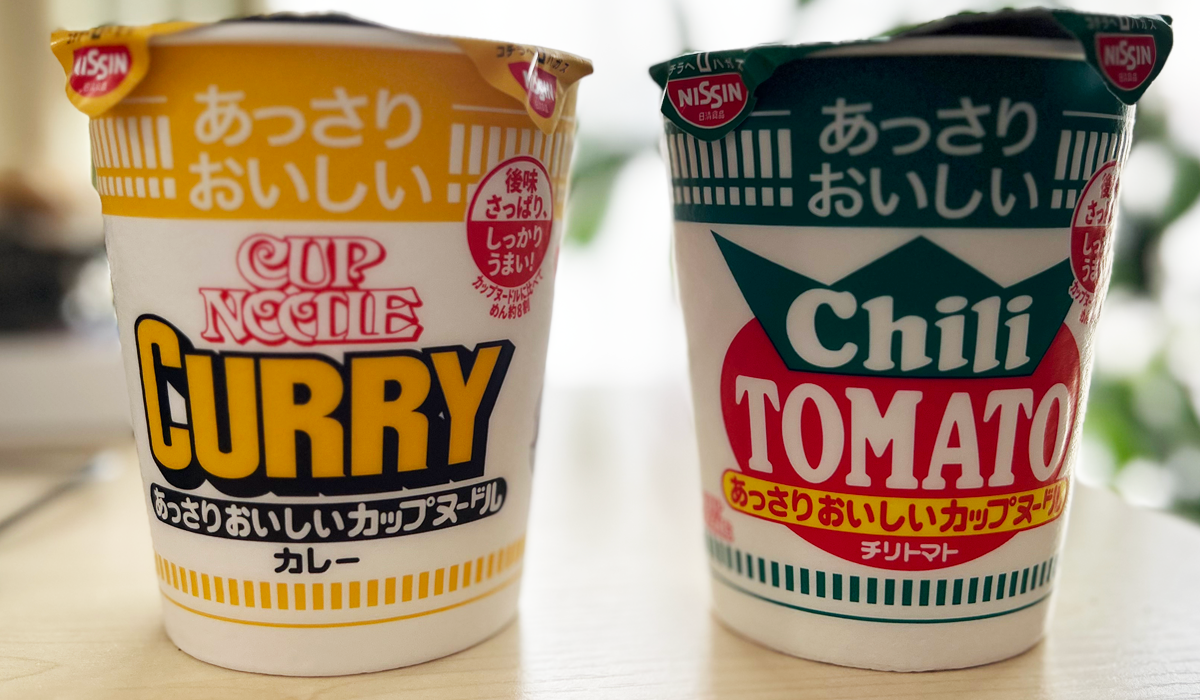
Cup Ramen
Cup ramen, known in Japan as カップラーメン (kapu rāmen) or カップヌードル (Cup Noodles), is one of the most popular and accessible foods in the country. Even though it seems simple, the huge variety of flavors, brands, and preparation styles can be confusing for people who visit or live in Japan. In this article, we explain what types exist, how to prepare them properly, and some tips to help you choose the right one.
What is cup ramen in Japan?
Cup ramen is an instant meal made up of dried noodles, powdered soup base, and dehydrated toppings, all inside a cup or container. It only needs hot water and a few minutes to be ready, which makes it a quick and inexpensive option.
In Japan, it’s not seen only as “emergency food”: there are high-quality versions, collaborations with famous restaurants, and limited editions.
The most common types of cup ramen
Just like traditional ramen, cup ramen is mainly classified by its broth:
Soy-sauce flavor. The most balanced, classic, and popular taste across Japan.
Thicker, aromatic, and bold. Perfect for winter.
White, creamy pork broth with a deep umami flavor.
Salt-based broth. The lightest, clearest, and most delicate flavor.
 Popular
Thick and spicy. Extremely popular in cup-ramen format (even more than in restaurants).
Tip: if you see the word 濃厚 (Nōkō) on the package, get ready for a much thicker and more intense flavor.
Famous cup ramen brands
-
Nissin The original brand. Its “Cup Noodles” is the worldwide standard.
-
Maruchan Known for “Akai Kitsune” (udon) and affordable options.
-
Sapporo Ichiban Famous for classic miso and shio flavors.
-
Restaurant Editions High-quality collaborations (7-Eleven Gold, etc.).
Tip: cup ramen with real photos of chefs or restaurant storefronts are usually higher-quality “premium” editions.
How to properly prepare cup ramen
Even though it looks obvious, many Japanese cup ramen products have specific instructions that actually improve the result:
Basic steps
-
1
Open the lid halfway: Only up to the marked line (usually halfway).
-
2
Check the packets: If it says 後入れ (ato-ire), take it out and add it after the 3 minutes. If it’s loose powder, leave it inside.
-
3
Boiling water: Pour very hot water up to the inner line of the cup.
-
4
Close and wait: Use a sticker or your chopsticks to keep the lid shut. Wait 3 to 5 minutes as indicated.
Key words on the package:
Important: Using water that isn’t boiling (lukewarm) will ruin the noodle texture. Make sure it’s around 90–100°C.
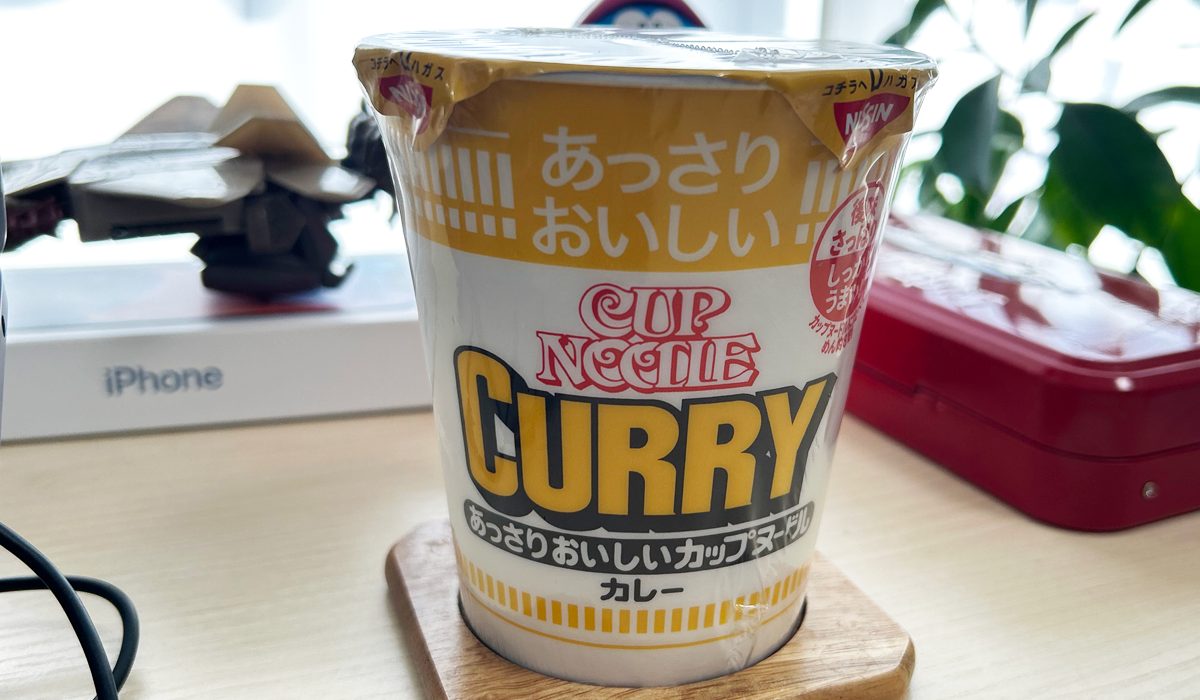
Practical example: Cup Noodles Curry
To get the most out of Cup Noodles curry flavor, follow these steps:
Cup Ramen
- Open the lid up to the line indicated on the package.
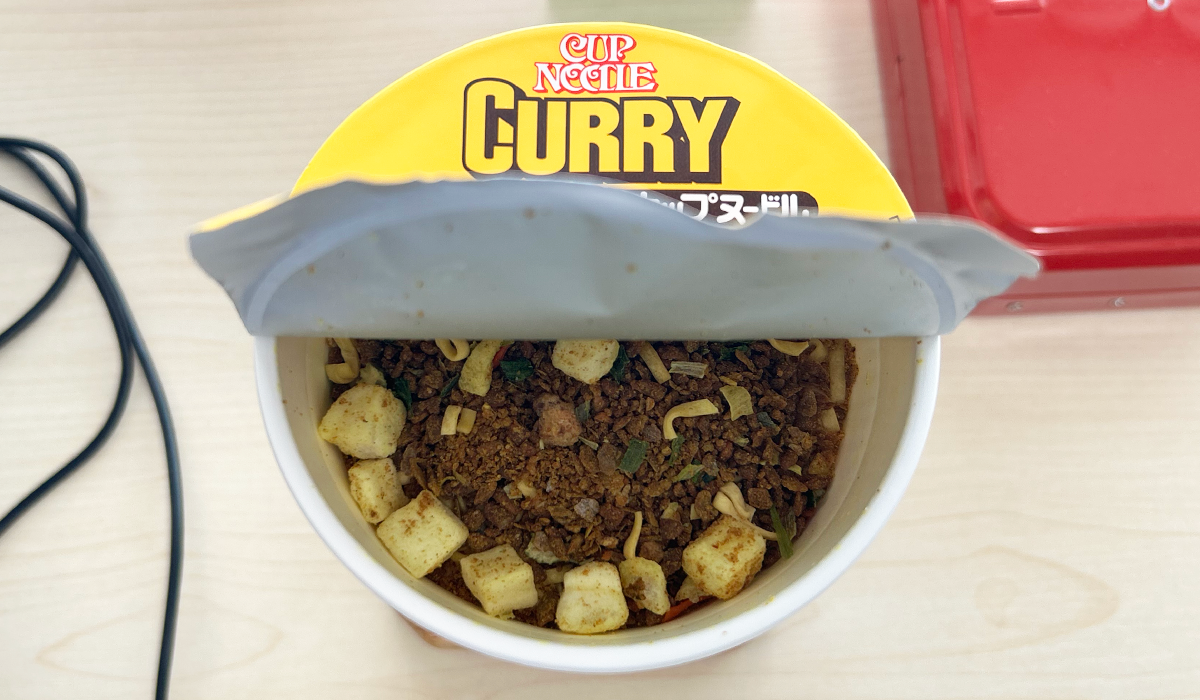
Open the lid to the line
- Pour hot water (approx. 90–95 °C) up to the inner mark.
- Wait about 3 minutes (this may vary by manufacturer, up to 5 minutes).
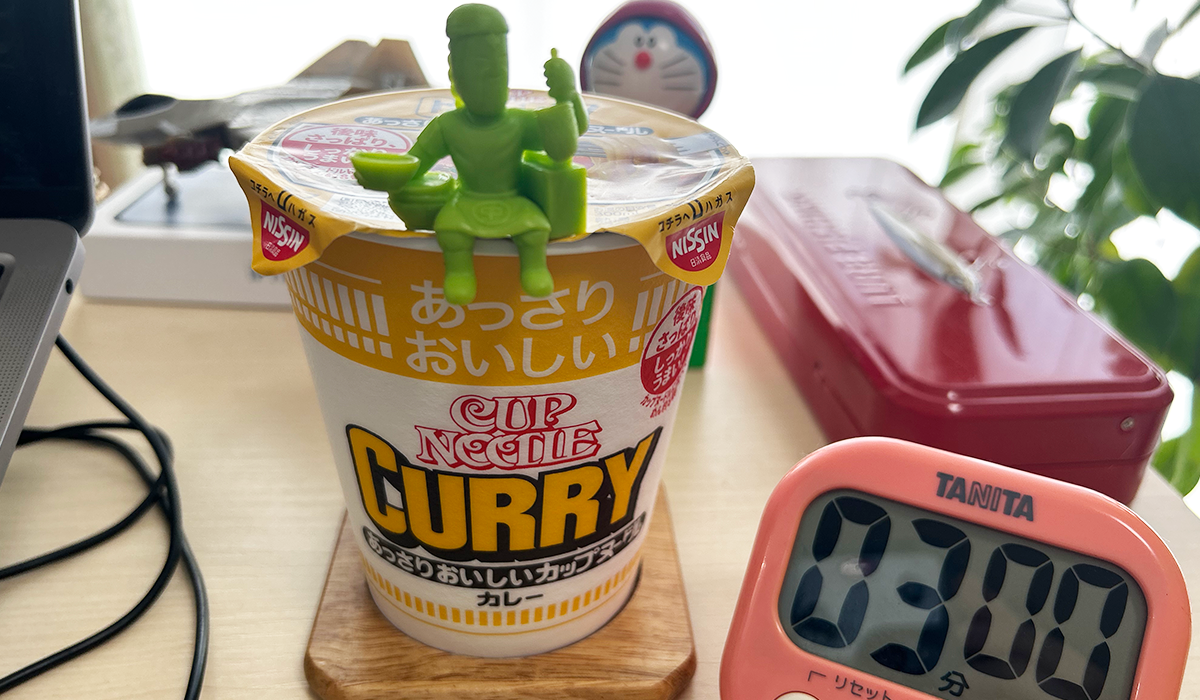
Wait 3 minutes
- I usually eat the noodles first, then add a little rice to enjoy the broth — that way you enjoy it twice.
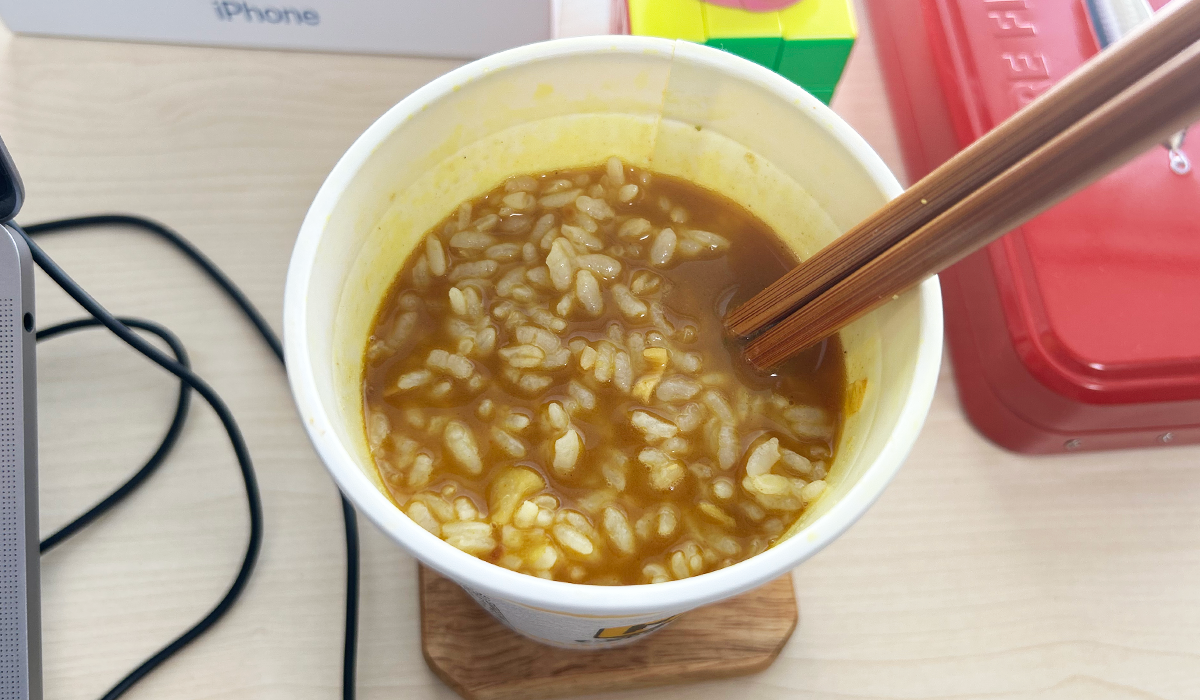
Enjoy the broth with rice
This method lets you enjoy both the noodles and the broth, making the experience more complete.
Cup ramen in convenience stores and tips
In konbini (7-Eleven, Lawson, FamilyMart) you can buy cup ramen, use the hot-water dispenser, and eat it in the designated area. Tip: many Japanese people add an egg, rice, or an onigiri to make it more filling.
If it’s your first time, avoid extremely experimental flavors. A s
Share this article
Advertisement